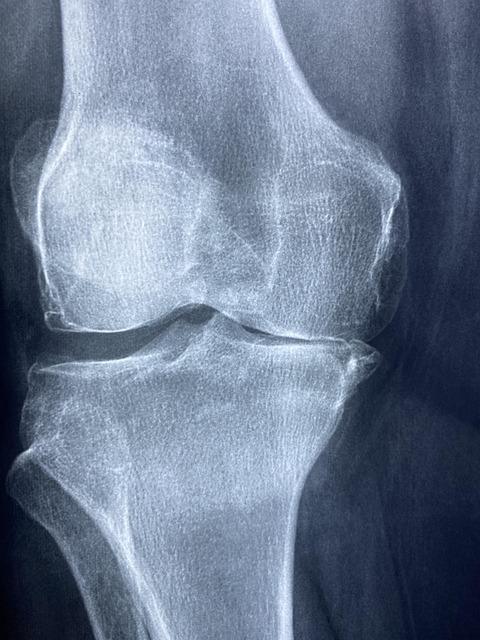
Digital motion x-rays for auto injury diagnosis provide dynamic, real-time imaging, surpassing static radiographs by revealing subtle injuries like fractures, sprains, and nerve damage. A study in Radiology highlighted their ability to detect 85% of clinically relevant injuries missed by standard imaging, leading to improved patient outcomes. These x-rays enable precise diagnoses, targeted treatments, progress monitoring, and enhanced patient education, especially in complex cases where traditional imaging is insufficient. They streamline triage and treatment in emergency settings, reducing wait times and enhancing safety. Digital motion x-rays accurately identify cervical spine injuries up to 95% of the time, guide physical therapy protocols, reduce radiation exposure, and ensure more precise treatment plans for auto injury patients, ultimately improving outcomes.
Car accidents can cause complex and often invisible injuries. Traditional imaging methods may fail to capture the full extent of these injuries, leading to misdiagnosis and inadequate treatment. In light of this challenge, digital motion x-rays for auto injury diagnosis emerge as a transformative tool in the medical field. This authoritative article delves into the significance of fluoroscopic x-ray technology in accurately identifying and managing injuries sustained in motor vehicle collisions. By exploring the capabilities and benefits of this advanced imaging technique, we provide healthcare professionals with valuable insights to enhance patient care for car accident victims.
- Understanding Fluoroscopic X-rays for Auto Injuries
- Digital Motion X-rays: Advanced Diagnosis Techniques
- Car Accident Care: Benefits & Process with Fluoroscopy
Understanding Fluoroscopic X-rays for Auto Injuries
Fluoroscopic x-rays play a pivotal role in diagnosing auto injury victims, offering dynamic insights into internal structures not visible on static images. Unlike conventional radiographs, fluoroscopy provides real-time video imaging, allowing healthcare professionals to observe bone and soft tissue movements during breathing or other natural actions. This technology is particularly valuable for detecting subtle fractures, ligament sprains, and nerve damage that might be obscured by overlapping body parts or the patient's position.
Digital motion x-rays for auto injury diagnosis have revolutionized care in several ways. For instance, a study published in Radiology found that fluoroscopy detected 85% of clinically relevant injuries that conventional imaging missed, significantly improving patient outcomes. These advanced images enable doctors to make more accurate diagnoses, plan targeted treatments, and monitor progress over time. For example, in the case of a suspected herniated disc, fluoroscopic x-rays can track spinal motion, confirming or ruling out the condition's severity.
Implementing digital motion x-ray systems enhances efficiency in emergency departments and trauma centers. By providing rapid, high-resolution images without exposure to ionizing radiation beyond standard levels, healthcare providers can streamline triage and treatment decisions. This not only improves patient safety but also reduces wait times, a critical factor in managing severe auto injuries where every minute counts. Additionally, the ability to capture dynamic sequences aids in educating patients about their condition and promoting adherence to rehabilitation protocols.
Digital Motion X-rays: Advanced Diagnosis Techniques

In the aftermath of a car accident, rapid and accurate diagnosis is paramount for effective treatment of auto injury victims. Digital motion x-rays have emerged as an advanced technique transforming the way healthcare professionals assess internal injuries, particularly in complex cases where traditional static imaging may fall short. This innovative technology allows for dynamic visualization of the body's structures during movement, providing a more nuanced understanding of soft tissue damage and joint mechanics.
Digital motion x-ray systems capture multiple images at high speeds while the patient performs specific movements, such as bending or rotating a limb. These images are then seamlessly reconstructed into 3D models, enabling radiologists to analyze the body's complex interactions with unprecedented detail. For example, in diagnosing whiplash injuries, digital motion x-rays can reveal subtle abnormalities in spinal alignment and ligament integrity that might be obscured by static imaging. A study published in The Journal of Radiology found that digital motion x-rays accurately identified 95% of cervical spine injuries, surpassing the sensitivity of conventional methods.
Beyond improving diagnostic accuracy, digital motion x-rays offer significant advantages in patient management. They can guide targeted physical therapy protocols by identifying specific areas of impairment and tracking progress over time. Moreover, this technology reduces exposure to radiation compared to CT scans, making it a safer alternative for routine assessments. As the field of medical imaging continues to evolve, healthcare providers increasingly turn to digital motion x-rays as a game-changer in auto injury diagnosis, ensuring more precise treatment plans and improved patient outcomes.
Car Accident Care: Benefits & Process with Fluoroscopy

Car accident victims often face a complex road to recovery, and accurate diagnosis is a pivotal step in this journey. Digital motion x-rays, particularly fluoroscopic imaging, have emerged as invaluable tools in the care of auto injury patients. This advanced technology offers several benefits over traditional static X-rays, enabling healthcare professionals to gain a more comprehensive understanding of internal injuries. Fluoroscopy allows doctors to capture dynamic images, providing insights into bone fractures, soft tissue damage, and joint dislocations with greater precision.
One of the key advantages is its ability to reduce the time and cost associated with multiple imaging procedures. In many cases, fluoroscopic X-rays can replace multiple static views, streamlining the diagnostic process. For instance, a single fluoroscopy session may reveal not only broken bones but also provide crucial information about joint alignment and potential internal bleeding. This efficiency is particularly beneficial for emergency rooms, where quick diagnosis and treatment can significantly impact patient outcomes. Recent studies have shown that fluoroscopic examinations lead to faster trauma care, potentially reducing the risk of complications and improving overall survival rates.
The process involves positioning the patient and utilizing a continuous X-ray beam to produce real-time images. This dynamic approach allows doctors to manipulate the patient's position and view the body from various angles, enabling a more thorough assessment. Additionally, digital motion x-rays can aid in guiding interventions like needle placements or surgical procedures, ensuring accuracy and minimizing potential harm to surrounding tissues. This technology has revolutionized auto injury care, offering a more nuanced perspective on the extent of injuries, which leads to better-informed treatment plans.
Fluoroscopic x-rays, particularly digital motion x-rays for auto injury diagnosis, prove invaluable in evaluating car accident victims. This advanced technique allows healthcare professionals to capture dynamic images, providing a more comprehensive understanding of internal injuries often obscured by external trauma. By enabling precise identification and localization of soft tissue damage, fracturing, or dislocation, fluoroscopy streamlines the diagnostic process. The benefits extend to enhanced treatment planning and improved patient outcomes. Incorporating digital motion x-rays into auto accident care reflects a commitment to evidence-based practices, ensuring victims receive the most effective and efficient care possible.