
Digital Motion X-rays (DMX) revolutionize auto injury diagnosis by providing dynamic 3D imaging of patient movement, enabling healthcare professionals to detect soft tissue damage, ligament sprains, and vertebral misalignments with unprecedented accuracy. This technology surpasses static X-rays by analyzing bones, joints, and muscles in motion, facilitating personalized treatment plans and improving patient recovery outcomes for auto injury patients.
"After a car accident, understanding the extent of traumatic injuries is crucial. This is where Digital Motion X-rays (DMX) emerge as a game-changer in diagnosing auto injuries. Unlike traditional scans, DMX offers dynamic, real-time imaging, revealing subtle changes in bone and soft tissue alignment. In this article, we'll explore how digital motion x-rays help assess auto injury severity, their benefits in trauma assessment, and the simple process involved, providing a comprehensive guide for victims navigating post-accident care."
- Understanding DMX Scans After Car Accidents
- How Digital Motion X-rays Help Diagnose Auto Injuries
- The Benefits and Process of DMX for Trauma Assessment
Understanding DMX Scans After Car Accidents
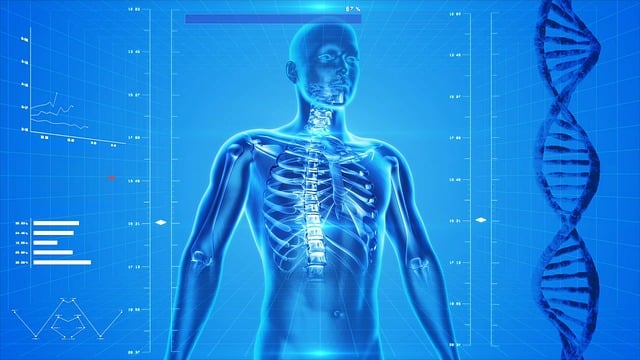
After a car accident, understanding the role of DMX scans in diagnosing auto injuries is crucial. Digital Motion X-rays (DMX) offer a non-invasive and detailed imaging technique that allows healthcare professionals to assess internal injuries not visible on traditional X-rays. These advanced scans capture dynamic movements and provide 3D images, enabling doctors to diagnose complex conditions such as soft tissue damage, ligament sprains, and vertebral misalignments.
By utilizing DMX technology, medical experts can accurately identify subtle abnormalities in patients' bones, joints, and muscles following a motor vehicle collision. This early detection is vital for effective treatment planning and patient recovery outcomes. The ability to visualize these intricate structures provides a comprehensive understanding of the extent of injuries, ensuring personalized care tailored to each individual's unique needs.
How Digital Motion X-rays Help Diagnose Auto Injuries

Digital Motion X-rays, a cutting-edge technology in medical imaging, are transforming the way auto injuries are diagnosed. Unlike traditional static X-rays that capture a momentary snapshot of the body, digital motion X-rays offer a dynamic view by tracking and recording the patient's movements. This innovative approach is particularly beneficial for assessing complex spinal injuries, muscle strains, and joint dislocations commonly associated with car accidents.
By capturing multiple images at high speeds, these advanced scanners can analyze a patient's range of motion, identifying subtle abnormalities that may be missed in static imaging. This technology enables healthcare professionals to make more accurate diagnoses, develop personalized treatment plans, and predict potential long-term effects of auto injuries. The use of digital motion X-rays for auto injury diagnosis is a significant advancement, ensuring patients receive the most comprehensive care possible.
The Benefits and Process of DMX for Trauma Assessment

Digital Motion X-rays (DMX) offer a revolutionary approach to assessing trauma resulting from car accidents. Unlike traditional static X-rays, DMX captures high-speed, 3D images that provide a dynamic view of the body's movement and potential injury. This technology enables healthcare professionals to analyze not just the bones but also the soft tissues, muscles, and joints in motion, leading to more accurate diagnoses.
The process involves scanning the patient as they perform a range of natural movements, allowing for a comprehensive understanding of their physical state post-accident. DMX can reveal subtle abnormalities that might be missed with conventional imaging, such as muscle tears, ligament sprains, or joint misalignments. This detailed assessment facilitates personalized treatment plans, ensuring patients receive targeted care for their specific injuries.
Digital motion x-rays, or DMX scans, offer a revolutionary approach to diagnosing auto injuries following a traumatic car accident. By providing detailed, dynamic images of the body's internal structures, these advanced imaging techniques can help healthcare professionals accurately assess and treat injuries that might otherwise go undetected. The benefits of DMX are numerous, from its ability to capture precise movements to its non-invasive nature, making it an invaluable tool in navigating the complexities of auto injury assessment and fostering more effective recovery strategies.