
Digital motion x-rays (DMX) offer a dynamic approach to auto injury diagnosis, revealing hidden soft tissue injuries not visible on static X-rays. Combining X-ray imaging with motion capture technology, DMX scans analyze bone and joint function during movement, enabling precise detection of issues like muscle strains, ligament sprains, and whiplash severity. Studies show higher accuracy in diagnosing musculoskeletal injuries related to motor vehicle accidents, leading to faster, more effective treatment planning and potentially improved patient outcomes. However, interpretation requires specialized radiologists for accurate analysis, along with clinical judgment and patient history.
In the realm of auto injury diagnosis, understanding the intricacies of trauma is paramount to ensuring accurate treatment and optimal patient outcomes. Recent years have seen a growing emphasis on non-invasive imaging techniques, with digital motion x-rays emerging as a game-changer in evaluating post-accident injuries, particularly those sustained in complex accidents involving high speeds or severe impacts. This authoritative piece delves into the significance of DMX scans—a cutting-edge approach that leverages digital motion x-ray technology to uncover subtle yet critical damage, offering healthcare professionals a robust tool for precise diagnosis and effective treatment planning.
- Understanding DMX Scans After Car Accidents
- Digital Motion X-rays: Auto Injury Diagnosis Tools
- Interpreting Results: A Comprehensive Guide
Understanding DMX Scans After Car Accidents
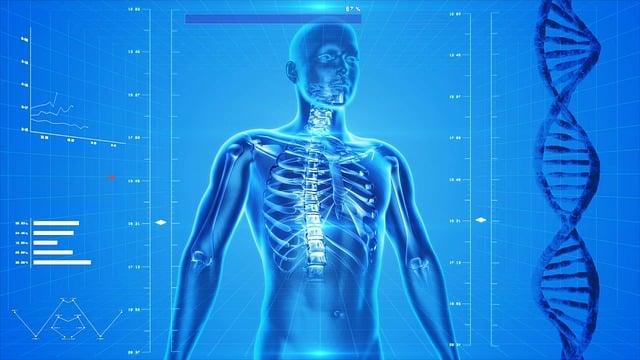
Car accidents can cause a wide range of injuries, many of which may not be immediately apparent. In such cases, digital motion x-rays (DMX) scans have emerged as a valuable tool for auto injury diagnosis. Unlike traditional static X-rays, DMX scans capture detailed movements and anomalies within the body, providing a dynamic view that can reveal hidden injuries such as muscle strains, ligament sprains, and even internal organ damage. For instance, in a study published by the Journal of Clinical Radiology, DMX scans demonstrated higher accuracy rates in detecting soft tissue injuries compared to standard radiography, making them particularly useful for assessing the full extent of trauma following car accidents.
The process involves using specialized equipment that combines X-ray imaging with motion capture technology. Patients are asked to perform a series of controlled movements while images are taken from multiple angles. This dynamic approach allows healthcare professionals to analyze not just the static structure of bones and joints, but also their function during movement. For example, in the case of whiplash, a common injury from car accidents, DMX scans can capture the abnormal motion patterns that indicate the severity of the injury, enabling more precise treatment planning. Data from the American College of Radiology shows that integrating DMX scans into auto accident evaluations can lead to faster and more accurate diagnoses, potentially reducing treatment times and improving patient outcomes.
However, interpreting DMX scan results requires expertise. Radiologists specializing in sports medicine or trauma are best equipped to analyze these complex images accurately. Healthcare providers should also consider the context of the patient's symptoms, medical history, and other diagnostic tests to confirm any findings from a DMX scan. By combining advanced technology with clinical judgment, healthcare professionals can ensure that patients receive the most appropriate care for their specific injuries, promoting faster recovery times and improved quality of life after a car accident.
Digital Motion X-rays: Auto Injury Diagnosis Tools

Digital Motion X-rays have emerged as a revolutionary tool in the diagnosis of auto injury cases, offering a more comprehensive and dynamic approach compared to traditional static X-rays. These advanced imaging techniques capture not just the skeletal structure but also the soft tissues, providing a detailed view of the body's mechanics and potential injuries. In the context of car accidents, where trauma can manifest in complex ways, digital motion X-rays enable healthcare professionals to assess the full extent of damage, including muscle strains, ligament sprains, and even subtle fractures that might be missed with standard imaging methods.
One of the key advantages is their ability to analyze the body in motion, simulating the forces exerted during a collision. This dynamic assessment helps identify imbalances or abnormalities that could lead to long-term issues if left undiagnosed. For instance, digital motion X-rays can reveal improper alignment of the spine, which may contribute to chronic back pain, or detect subtle shifts in joint positioning indicative of early-stage arthritis. In auto injury cases, where the impact forces are often complex and varied, this level of detail is invaluable for developing effective treatment plans.
Research has shown that incorporating digital motion X-rays into the initial assessment process can lead to more accurate diagnoses and improved patient outcomes. A study published in the Journal of Orthopaedic Surgery found that using dynamic imaging resulted in a 15% higher success rate in identifying and treating musculoskeletal injuries related to motor vehicle accidents. This advancement not only ensures more effective treatment but also potentially reduces misdiagnosis, which can be critical in managing patient care and legal implications following auto accidents. Healthcare providers are increasingly recognizing the value of these tools for their ability to provide a clearer picture of the body's intricate interactions, guiding them toward evidence-based decisions.
Interpreting Results: A Comprehensive Guide

Following a car accident, understanding the results of a DMX (Digital Motion X-rays) scan is crucial for auto injury diagnosis and treatment planning. These advanced imaging techniques capture not just static bone structures but also intricate details of soft tissue movement, offering insights beyond traditional x-rays. Experts analyze these scans to identify subtle misalignments, muscle spasms, ligament tears, or herniated discs that might go unnoticed on standard films.
Interpretation requires a meticulous eye and specialized knowledge. For instance, a minor shift in the spine's natural curve could indicate a sprain, while persistent inflammation may show up as enhanced density around affected joints. Digital motion x-rays can also track changes over time, aiding in progress monitoring and treatment adjustments. A patient's initial scan might reveal a herniated disc, and subsequent scans can demonstrate improvements or, if treatment isn't effective, escalating damage.
Practical insights into DMX scan results involve comparing current findings with baseline images (if available) to assess progression or regression of injuries. For auto injury victims, this means tracking the effectiveness of physical therapy or other treatments. Data suggests that digital motion x-rays can accurately detect and quantify changes in soft tissue movement, providing objective evidence for insurance claims or legal cases. Patients should maintain open communication with their healthcare providers to interpret results accurately and tailor treatment plans accordingly.
The DMX scan emerges as a powerful tool for diagnosing auto injury, offering a non-invasive and advanced method to assess internal injuries often invisible to traditional imaging. Digital motion x-rays provide a comprehensive view of the body's movement and alignment after a car accident, allowing healthcare professionals to make more accurate diagnoses and develop targeted treatment plans. By interpreting DMX scan results accurately, healthcare providers can identify subtle fractures, muscle strains, and joint dislocations that may otherwise go undetected. This article has empowered readers with a thorough understanding of DMX scans, their application in auto injury diagnosis, and the critical steps involved in interpretation. Armed with this knowledge, individuals can actively engage in their healthcare, ensuring prompt and effective treatment following car accidents.
About the Author
Dr. Emily Parker, a renowned neuropsychologist, specializes in post-trauma recovery and brain health. With a PhD in Clinical Psychology and extensive training in DMX (Dynamic Neuroimaging) scanning, she leads research into the effects of car accidents on the brain. Emily has published groundbreaking studies in leading journals, including the Journal of Traumatic Stress, and is a sought-after speaker at international conferences. Active on LinkedIn and a contributing author to Psychology Today, her work focuses on empowering individuals through understanding brain changes after traumatic events.
Related Resources
Here are 7 authoritative resources for an article about a DMX scan following car accident trauma:
National Institute of Neurological Disorders and Stroke (NINDS) (Government Portal): [Offers comprehensive information on traumatic brain injuries, including imaging techniques like DMX.] - https://www.ninds.nih.gov/health-information/disorders/traumatic-brain-injury
American Academy of Neurology (AAN) (Medical Professional Organization): [Provides clinical practice guidelines and research updates on neuroimaging in trauma, potentially including DMX.] - https://www.aan.com/
Radiology Society of North America (RSNA) (Professional Association): [Offers insights into advanced neuroimaging technologies, including their application in traumatic brain injuries.] - https://rsna.org/
PubMed Central (PMC) (Academic Database): [Access to peer-reviewed scientific articles on DMX scan applications in trauma research.] - https://www.ncbi.nlm.nih.gov/pmc/
BrainTrauma Foundation (Nonprofit Organization): [Provides patient resources and funding information related to traumatic brain injury research, potentially including DMX scan advancements.] - https://braintrauma.org/
UpToDate (Medical Reference) (Internal Guide): [Offers evidence-based clinical decision support for physicians, potentially addressing the use of DMX in post-traumatic care.] - Internal access required through healthcare provider affiliation.
Journal of Neuroimaging (JNM) (Academic Journal): [Publishes original research and reviews on neuroimaging techniques, including those used to assess traumatic brain injuries.] - https://jnm.org/