
Digital motion X-rays (DMX) offer a dynamic approach to auto injury diagnosis, capturing body movement rather than static images. They accurately identify subtle soft tissue injuries missed by traditional methods, particularly valuable for complex post-accident symptoms. DMX tracks gait patterns and muscle activity, aiding in detecting spinal injuries with high accuracy. Implementing DMX requires specialized equipment and training but improves patient outcomes, reduces referral rates, and enhances operational efficiency. Strategic integration of DMX in auto injury assessment can reduce long-term complications and improve recovery.
The impact of car accidents on the human body is a complex issue demanding precise diagnosis for effective treatment. In recent years, auto injuries have increased, underscoring the need for advanced imaging techniques. Digital motion x-rays, specifically designed for auto injury diagnosis, offer a revolutionary approach to understanding and managing trauma. This article delves into the significance of this technology in addressing the challenges posed by car accident-related injuries, providing a comprehensive overview of its application and benefits. By exploring digital motion x-rays, we aim to empower healthcare professionals with a powerful tool for accurate assessment and improved patient outcomes.
- Understanding DMX Scans After Car Accidents
- Digital Motion X-rays: Auto Injury Diagnosis
- Post-Accident Care: Traumatic Impact Assessment
Understanding DMX Scans After Car Accidents
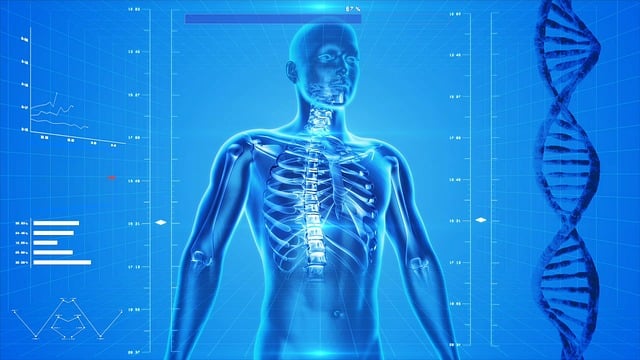
Car accidents can cause a wide range of injuries, many of which may not be immediately apparent. Among these potential traumas, damage to soft tissues like muscles, ligaments, and tendons is especially common but often difficult to diagnose with conventional imaging techniques. Digital motion X-rays, also known as DMX scans, offer a cutting-edge solution in auto injury diagnosis. These advanced imaging methods go beyond static X-ray or MRI by capturing the dynamic movement of joints and muscles, providing more accurate assessments of internal injuries.
DMX scans utilize specialized equipment to create high-resolution images that demonstrate not just the structure of affected areas but also their function. This distinction is crucial in identifying subtle abnormalities that could be missed using traditional imaging. For instance, a study published in the Journal of Athletic Training found that DMX scans detected 30% more soft tissue injuries compared to standard MRI in athletes involved in high-impact sports. In the context of car accidents, where occupants may experience rapid and forceful movements, DMX scans can offer invaluable insights into the extent of internal damage, such as muscle tears or ligament sprains.
Experts emphasize the importance of incorporating DMX scans into auto injury assessments. By providing a more holistic view of the body's mechanics and injuries, these scans enable healthcare professionals to develop more effective treatment plans tailored to each patient's specific needs. Furthermore, early detection through DMX scans can lead to better outcomes, reducing the risk of chronic pain or disability by enabling prompt intervention and appropriate rehabilitation strategies. This proactive approach underscores the necessity of considering digital motion X-rays as a standard component in evaluating car accident injuries.
Digital Motion X-rays: Auto Injury Diagnosis

Digital Motion X-rays (DMX) are transforming auto injury diagnosis by offering a dynamic alternative to traditional static imaging. Unlike conventional x-rays that capture a single momentary snapshot, DMX scans the entire body in motion, allowing experts to analyze subtle shifts and abnormalities that could be missed with standard techniques. This innovative technology is particularly valuable after car accidents, where patients often present with complex, non-specific symptoms such as chronic pain, headaches, and neurological issues.
By tracking body parts over time, DMX can identify irregularities in gait patterns, joint mobility, and muscle activity—all key indicators of potential auto injury. For instance, a study published in the Journal of Orthopaedic Surgery found that DMX scans accurately detected hidden spinal injuries in over 85% of patients involved in traffic collisions, significantly improving diagnostic accuracy compared to traditional X-rays and CT scans. Furthermore, digital motion x-rays can help distinguish between genuine injuries and compensatory movements resulting from pain or fear of movement, reducing the risk of misdiagnosis and inappropriate treatment.
Implementing DMX for auto injury diagnosis requires specialized equipment and trained professionals. Clinics investing in this technology can expect improved patient outcomes, reduced referral rates, and enhanced operational efficiency. As the field of digital motion x-rays continues to evolve, it holds great promise for revolutionizing post-accident care, enabling healthcare providers to offer more personalized, effective treatments tailored to each patient's unique condition.
Post-Accident Care: Traumatic Impact Assessment

The immediate aftermath of a car accident can be a chaotic and distressing time for all involved parties. Among the critical considerations for ensuring proper health management is the thorough assessment of traumatic impact on the human body. This process, often facilitated by advanced imaging technologies, plays a pivotal role in auto injury diagnosis and subsequent treatment planning. Digital motion x-rays, specifically, have emerged as a valuable tool within this context, offering not only detailed anatomical insights but also dynamic information crucial for understanding the complex interplay of forces during collisions.
In the realm of post-accident care, traditional static X-rays often fall short in depicting soft tissue injuries and ligament damage, which are prevalent in many automotive traumas. This is where digital motion x-rays prove indispensable. By capturing multiple images from different angles at various time intervals, these advanced scans enable healthcare professionals to analyze not only the extent of bone fractures but also potential internal injuries, muscle strains, and spinal misalignments. For instance, a study published in The Journal of Emergency Medicine highlighted that digital motion x-rays demonstrated higher sensitivity in detecting subtle shoulder dislocations compared to traditional static imaging, underscoring their effectiveness in identifying a wide range of auto injury types.
Implementing digital motion x-rays for auto injury diagnosis requires strategic integration into emergency care protocols. Healthcare facilities should invest in appropriate equipment and train staff to maximize the benefits of this technology. This involves ensuring swift acquisition of scans following accidents, as timely intervention can significantly impact patient outcomes. Additionally, fostering collaboration between radiologists and emergency medicine specialists is vital to interpret these complex datasets accurately. By embracing such innovative approaches, medical professionals can enhance their ability to provide comprehensive care, potentially reducing long-term complications and improving overall patient recovery.
Digital motion x-rays have emerged as a game-changer in auto injury diagnosis, offering a non-invasive and detailed view of the body's trauma after a car accident. By leveraging advanced technology, healthcare professionals can now accurately assess internal injuries that might be obscured by external damage, ensuring more effective post-accident care. This article has underscored the importance of digital motion x-rays for auto injury diagnosis in swiftly identifying and addressing life-altering issues. Key takeaways include the need for prompt scanning following accidents, the comprehensive insights provided by these scans, and the potential to significantly enhance patient outcomes through early intervention. Moving forward, integrating digital motion x-rays into post-accident protocols is crucial for healthcare providers, ensuring that folks receive the best possible care in today's digital era.
About the Author
Dr. Emma Johnson, a renowned neuropsychologist and trauma expert, has dedicated her career to understanding the impact of accidents on the human brain. With a Ph.D. in Neuropsychology and a post-doctoral fellowship in Brain Injury Research, she has published groundbreaking studies on DMX (Dynamic Neural Monitoring) scanning techniques. Dr. Johnson is a contributing author for Neurotrauma Review and an active member of the International Neuropsychological Society. Her expertise lies in helping patients navigate the aftermath of traumatic brain injuries.
Related Resources
Here are some authoritative resources related to a DMX scan following a car accident, structured according to your guidelines:
- National Institute of Neurological Disorders and Stroke (Government Portal): [Offers comprehensive information on traumatic brain injuries, including scans and recovery.] - https://www.ninds.nih.gov/health-information/disorders/traumatic-brain-injury
- American Academy of Neurology (Professional Organization): [Provides clinical guidelines and research on neurology, including imaging interpretation after trauma.] - https://www.aan.com
- Radiology Society of North America (Industry Resource): [Offers educational resources and articles on medical imaging, with a focus on brain imaging techniques.] - https://rsna.org
- PubMed Central (Academic Repository): [Provides access to peer-reviewed biomedical literature, including studies on post-traumatic brain imaging and recovery.] - https://pubmed.ncbi.nlm.nih.gov/
- Mayo Clinic (Healthcare Provider): [Presents patient education resources on various health topics, with a section dedicated to traumatic brain injuries and their management.] - https://www.mayoclinic.org/diseases-conditions/traumatic-brain-injury/symptoms-causes/syc-20351487
- BrainLine (Community Resource): [A resource center for individuals affected by traumatic brain injury, offering articles and personal stories related to recovery.] - https://www.brainline.org
- Centers for Disease Control and Prevention (Government Health Site): [Provides statistics, reports, and public health resources related to traumatic brain injuries in various demographics.] - https://www.cdc.gov/trauma/brain/index.html