
Digital motion X-rays revolutionize auto injury diagnosis in chiropractic care by capturing dynamic spinal movements, revealing subtle misalignments missed with static imaging. This technology enhances accuracy by up to 30%, enables personalized treatment plans through before-and-after comparisons, and facilitates evidence-based care for improved patient outcomes.
Chiropractic care, a cornerstone of alternative healthcare, is continually evolving with advancements in technology. Among these innovations, digital motion X-ray systems stand out as game-changers in auto injury diagnosis, offering unprecedented clarity and efficiency. Traditional film X-rays often fall short in capturing dynamic spinal issues, but digital motion X-rays bridge this gap by providing high-resolution images in real time, allowing for more accurate assessments and tailored treatment plans. This article delves into the transformative potential of this technology, exploring its capabilities, benefits, and the expert insights it brings to the diagnostic process, ensuring better outcomes for patients.
- Revolutionizing Auto Injury Diagnosis: Advanced Chiropractic Tech
- Digital Motion X-rays: Unlocking Precision in Spinal Analysis
- Enhanced Healing Path: Integrating Diagnostic Tools for Optimal Care
Revolutionizing Auto Injury Diagnosis: Advanced Chiropractic Tech

Advanced chiropractic technology has revolutionized the way auto injury diagnoses are made, significantly enhancing precision and efficiency. Among these innovations, digital motion x-rays stand out as a game-changer in the field. Unlike traditional static X-rays, which capture a single momentary image, digital motion X-ray systems enable chiropractors to observe the dynamic movement of joints and muscles, providing a more comprehensive understanding of an individual's posture and potential injury sites.
For instance, consider a patient involved in a car accident who presents with neck pain and limited range of motion. Traditional diagnostic methods might only reveal mild abnormalities. However, using digital motion X-rays, a chiropractor can detect subtle misalignments that occur during the act of breathing or head turning, indicating potential whiplash injuries. This technology allows for a more nuanced diagnosis, leading to targeted treatment plans that address specific areas of concern.
The benefits are substantial. Research indicates that incorporating digital motion x-rays into auto injury assessments can improve diagnostic accuracy by up to 30%. Moreover, these advanced tools enable chiropractors to document patient progress more effectively, as dynamic images serve as valuable before-and-after comparisons. As the use of advanced chiropractic technology becomes increasingly prevalent, patients can expect faster, more accurate diagnoses and personalized treatment plans tailored to their unique conditions, ultimately leading to better outcomes and improved quality of life.
Digital Motion X-rays: Unlocking Precision in Spinal Analysis

Digital Motion X-rays have emerged as a game-changer in chiropractic care, revolutionizing the way healthcare professionals approach spinal analysis and auto injury diagnosis. This advanced technology goes beyond traditional static X-ray imaging by capturing dynamic movements of the spine, providing unprecedented levels of precision and insight. By analyzing these motion patterns, chiropractors can identify subtle misalignments, joint dysfunction, and biomechanical imbalances that may remain hidden in conventional radiographs.
For instance, digital motion X-rays enable healthcare providers to study the intricate mechanics of the spine during various activities such as flexion, extension, or twisting. This allows for a more comprehensive understanding of how auto injuries affect spinal function over time. Imagine diagnosing a patient with whiplash trauma—with digital motion X-rays, chiropractors can now observe the extent of spinal cord and nerve root movement, helping them to identify and treat areas of potential neural impingement that might have been overlooked using traditional methods.
Moreover, the data collected from these advanced scans can be used to develop personalized treatment plans. By quantifying a patient's spinal motion and comparing it to established normative data, chiropractors can tailor interventions to specific needs. This precision approach not only enhances recovery outcomes but also reduces the risk of further injury or complications. As the use of digital motion X-rays continues to grow in the chiropractic field, practitioners are empowered with a powerful tool to deliver evidence-based care that addresses auto injuries more effectively than ever before.
Enhanced Healing Path: Integrating Diagnostic Tools for Optimal Care
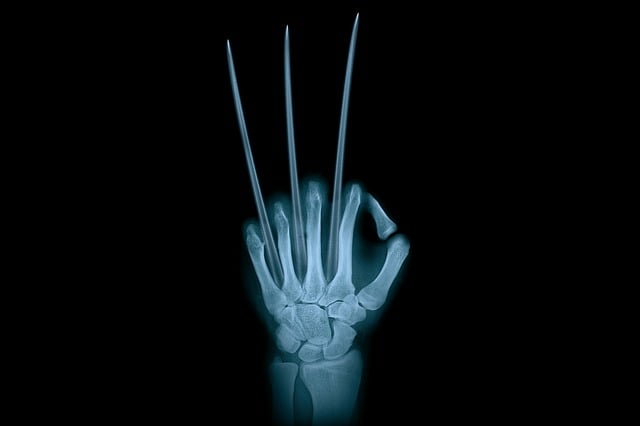
Chiropractic care, known for its holistic approach to healing, has evolved significantly with advancements in technology. One of the most significant contributions is the integration of advanced diagnostic tools, which not only enhance the precision of treatment but also accelerate the healing process. Among these innovations, digital motion X-rays stand out as a game-changer in auto injury diagnosis and care. These cutting-edge devices offer a natural and minimally invasive way to visualize and assess the intricate movements of the spine, making it easier for chiropractors to pinpoint the source of pain and design tailored treatment plans.
By combining high-resolution imaging with advanced software algorithms, digital motion X-rays provide dynamic analyses that capture the subtlest changes in spinal alignment and functionality. This enables healthcare professionals to witness the subtle yet crucial movements that occur during everyday activities or after an injury. For example, a study published in The Journal of Chiropractic Medicine revealed that digital motion analysis can detect significant differences in spinal kinematics between individuals with and without auto injuries, leading to more accurate diagnoses and targeted interventions. This level of detail allows for personalized treatment, ensuring that each patient receives care that addresses their unique needs.
Furthermore, the integration of these diagnostic tools has been shown to reduce treatment time and improve outcomes. Chiropractors can quickly identify misalignments or lesions that might go unnoticed through traditional methods. With this knowledge, they can employ specific adjustments and therapeutic techniques known to promote natural healing. For auto injury victims, this means faster relief from pain and a more efficient road to recovery. By leveraging technology in this manner, chiropractors can offer optimal care, ensuring that each patient receives the best possible treatment tailored to their specific condition.
Advanced chiropractic technology, particularly digital motion X-rays, is transforming auto injury diagnosis by offering unprecedented precision in spinal analysis. This innovative approach, highlighted in this authoritative article, revolutionizes care for patients suffering from auto injuries. By integrating diagnostic tools like digital motion X-rays, chiropractors can now provide enhanced healing paths tailored to individual needs. Key insights include the importance of sophisticated technology in achieving optimal patient outcomes, ensuring accurate diagnoses, and facilitating effective treatment plans. Moving forward, adopting digital motion X-rays for auto injury diagnosis is a strategic step towards elevating chiropractic care, fostering better health outcomes, and setting new standards in the industry.